Selecting a water heater for your home is a significant decision that can affect your family's comfort and energy bills. With various types available, understanding each option's advantages and drawbacks is crucial. Making the right choice requires careful consideration of your family's needs, the size of your home, and the specific features you value most in a water heater.
Understanding Your Hot Water Needs
Before diving into the types of water heaters, it's essential to assess how much hot water your family uses daily. This involves looking at your household's appliance usage patterns, shower habits, laundry routines, and any other activities requiring hot water. For instance, if you have teenagers who take long showers or if you frequently run multiple appliances simultaneously, you'll need a system capable of handling high demand.
An average family of four might need anywhere from 40 to 60 gallons of hot water daily for showers, washing dishes, and laundry. If you’re frequently running out of hot water or if waiting for it to heat up becomes a hassle, this is a sign that an upgrade could be beneficial.
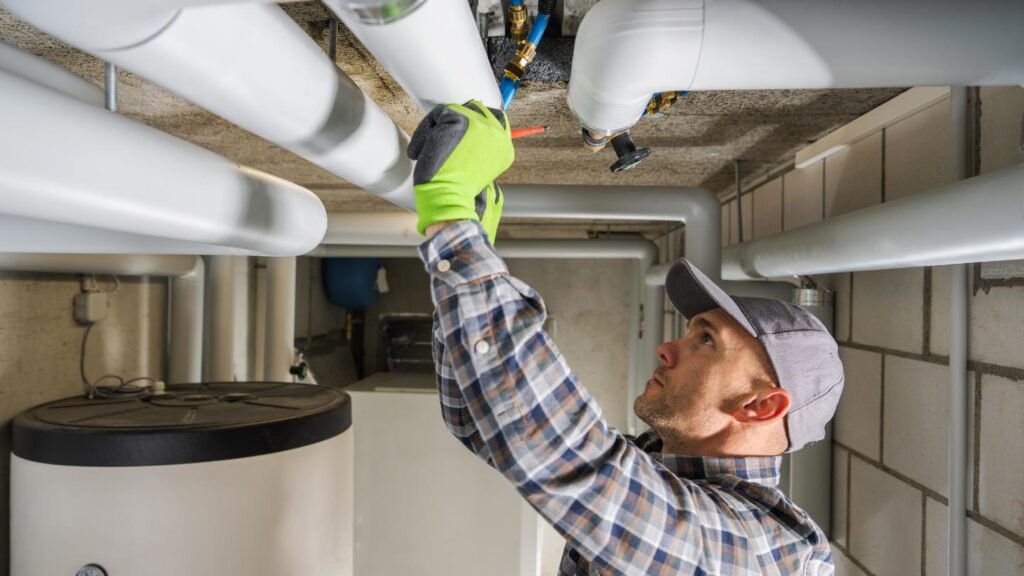
Types of Water Heaters: A Closer Look
The water heater market offers several options: traditional tank heaters, tankless heaters, heat pump systems, and solar heaters. Each type has distinct features that cater to different household needs.
Traditional Tank Water Heaters
This classic option stores hot water in a tank — typically ranging from 30 to 80 gallons — and keeps it heated until needed. The primary advantage is that they provide a steady supply of hot water for various uses simultaneously. However, they can be inefficient since they constantly maintain the temperature even when not in use.
When considering a tank heater, think about the following:
- Size: Proper sizing ensures you have enough hot water without excessive energy consumption. Fuel Source: Most traditional tanks run on electricity or gas; some may offer better efficiency based on local utility rates.
For families with consistent hot water demands but limited budgets upfront, traditional tank heaters can be an excellent choice.
Tankless Water Heaters
Also known as on-demand units, tankless water heaters provide hot water only as needed. When you turn on the tap or start an appliance that requires hot water, cold water passes through the unit and is heated instantly by gas or electric coils. This feature makes them highly efficient since there's no standby heat loss associated with keeping a large volume of water heated.
However, while they save energy in some respects, there are trade-offs:
- Flow Rate: Tankless units have flow rate limits; if too many outlets are used at once (like running two showers and the washing machine), you may experience lukewarm temperatures. Initial Cost: They often come with higher upfront installation costs compared to traditional tanks.
Families who prioritize energy efficiency and have relatively modest simultaneous hot water demands might find these units ideal.
Heat Pump Water Heaters
Heat pump models use electricity to move heat rather than generate it directly. They draw heat from the air or ground and transfer it to the water storage tank. These systems are significantly more efficient than traditional electric models because they utilize existing heat rather than creating new heat from scratch.
While their efficiency can lead to considerable savings over time — sometimes up to 50% less than conventional electric heaters — homeowners should consider:
- Installation Space: They require more space due to their size and need access to ambient air. Climate Sensitivity: In colder climates where ambient temperatures drop significantly during winter months, their efficiency may decrease.
If you're looking for an eco-friendly option with long-term savings potential and have adequate space for installation, consider this type.
Solar Water Heaters
For those seeking sustainable options, solar-powered heaters harness sunlight to warm up your home's water supply. They can significantly reduce energy bills over time but depend heavily on geographic location and climate.
Key considerations include:
- Sunlight Availability: Areas with consistent sun exposure will yield better results. Backup Systems: Most solar heaters require backup systems (like electric or gas) for cloudy days or increased demand periods.
Families committed to reducing their carbon footprint may find solar systems rewarding despite higher initial investments due to their potential long-term savings and environmental benefits.
Evaluating Energy Efficiency Ratings
Regardless of which type you choose, pay close attention to energy efficiency ratings like Energy Factor (EF) or Uniform Energy Factor (UEF). Higher numbers indicate greater efficiency; this translates into lower operating costs over time. In general:
- Electric models will often show different efficiencies compared to gas models. Look for ENERGY STAR labels when shopping as they indicate adherence to strict efficiency guidelines set by the Environmental Protection Agency (EPA).
Understanding these metrics can help guide your decision toward more sustainable choices while saving money in the long run.
Installation Considerations
When selecting your new heater type, don't overlook installation factors that impact overall cost and performance:
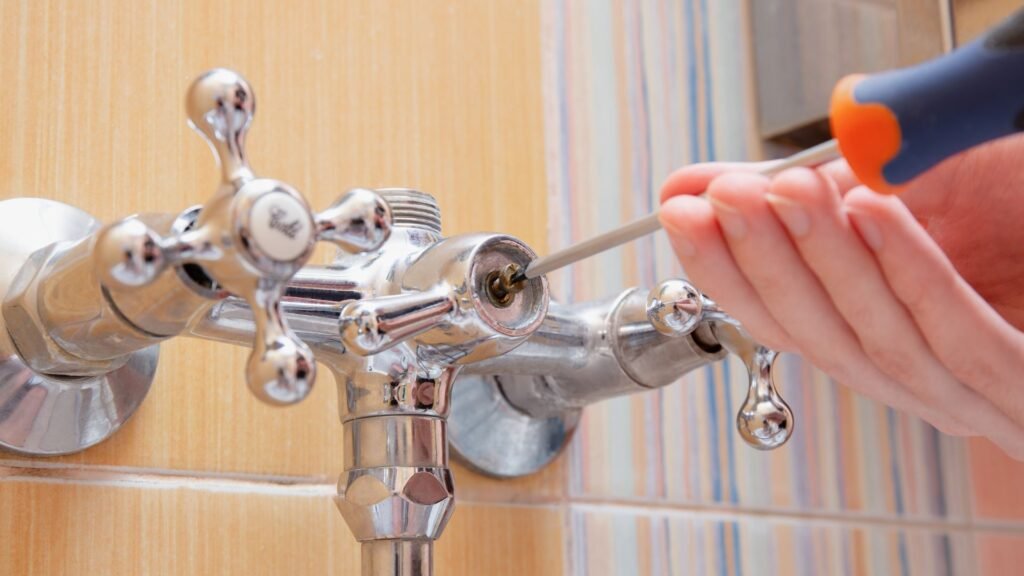
Local plumbers in Sandpoint ID often have insights into regional preferences regarding different heater types based on common usage patterns observed in local households—consulting them can provide valuable perspectives tailored specifically to your needs.
Plumber in Sandpoint IDBudgeting For Your Water Heater
Establishing an appropriate budget involves considering both upfront costs (purchase price plus installation) as well as operational expenses over time (energy costs). Here's how you can break down potential expenses effectively:
- Traditional tanks generally range from $300 - $1,500 depending on capacity and fuel source. Tankless units might cost between $800 - $2,000 including installation. Heat pumps usually fall within $1,200 - $3,000 but promise significant savings through reduced energy bills. Solar systems vary widely depending on setup complexity but typically start around $3,000+ after tax credits/subsidies are applied.
Consider what works best not just financially but also contextually Plumber Sandpoint ID Believe Plumbing within family dynamics—spending extra now could mean substantial future savings while ensuring comfort levels remain high throughout daily routines involving hot-water use!
Maintenance Matters
Once you've chosen a suitable model according to family needs along with financial implications involved—don’t forget maintenance! Regular upkeep extends lifespan significantly; here are basic maintenance tasks worth implementing:
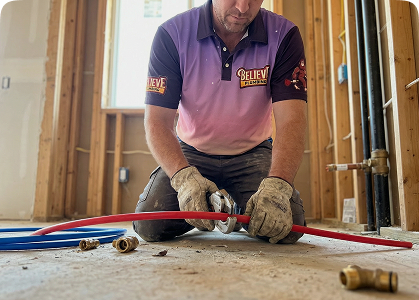
Flushing sediment buildup annually helps prevent corrosion damage inside tanks which impacts heating efficacy. Checking pressure relief valves ensures safety mechanisms function correctly preventing risks associated with excess pressure buildup resulting in leaks/bursts later down road! Inspecting connections regularly allows early detection leaks before major repairs become necessary!Consider scheduling annual inspections by trusted professionals such as Believe Plumbing who specialize in plumbing services across Sandpoint Idaho ensuring everything’s operating optimally year-round!
By carefully evaluating all aspects above—from understanding personal usage habits through selecting suitable equipment tailored towards unique situations—you’ll be equipped take informed steps towards investing wisely into efficient solutions enriching life quality at home while minimizing unnecessary expenses related heating costs!
Believe Plumbing
819 US-2, Sandpoint, ID 83864
+1 (208) 690-4948
[email protected]
Website: https://callbelieveplumbing.com/